White Patches Oral Lichen Planus: What Wickham Striae Look Like
Evidence-oriented education on white patches oral lichen planus for patients and caregivers.
Quick Answer
What are white patches signs?
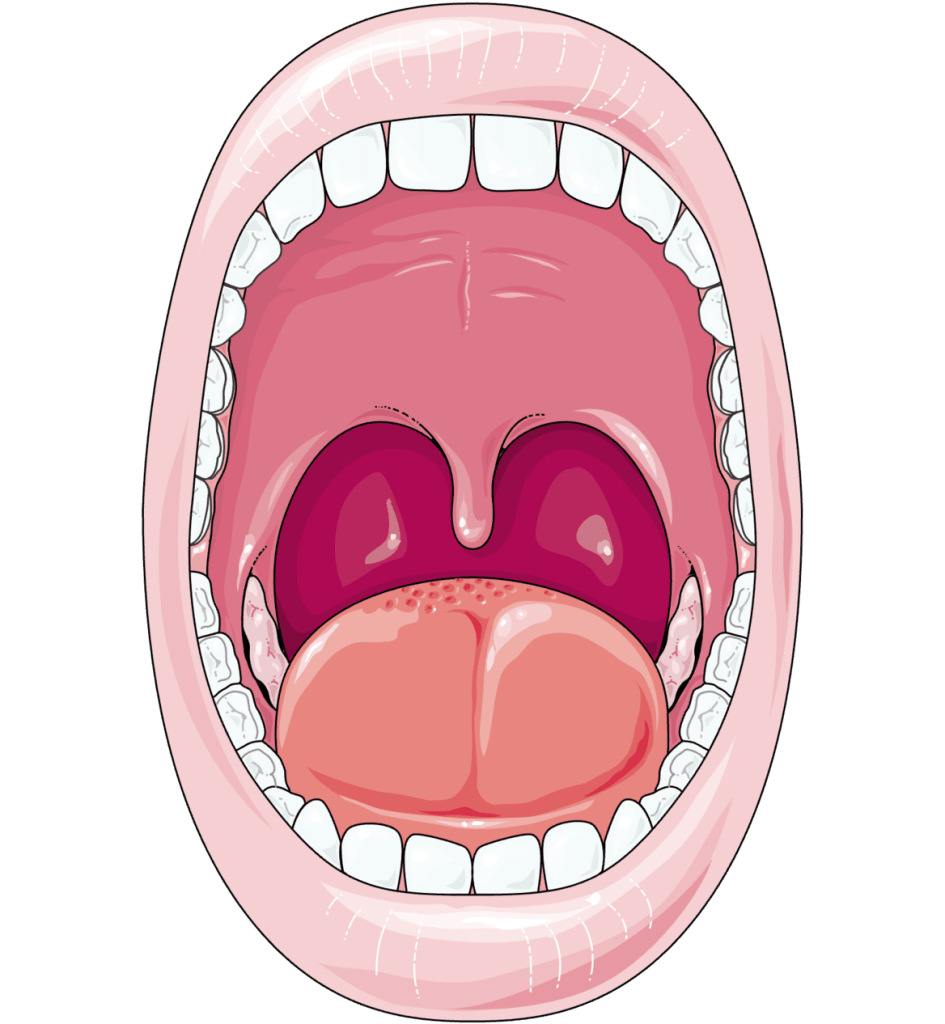
White patches oral lichen planus most often appear as fine lace-like lines called Wickham striae on the inner cheeks, tongue, or gums. They may be painless or sit beside red, sore areas. Persistent white lesions need a clinician’s exam because thrush, friction keratosis, and other conditions can look similar.
This guide explains white patches patterns, monitoring, and links to related OLP pages. It is educational, not a diagnosis.
Medical Disclaimer
This page is for educational purposes only and is not a substitute for professional medical advice. Always consult a qualified healthcare provider for diagnosis and treatment. See our medical disclaimer and editorial policy.
Table of Contents
What white patches looks like
The classic pattern of white patches is a network of delicate white lines (Wickham striae), frequently on the buccal mucosa. Some people develop thicker plaque-like white areas or mixed white-and-red patterns.
Because reticular disease can be painless, white patches is sometimes found only during a routine dental visit. Bilateral cheek involvement is common in textbook presentations, but OLP can also involve the tongue, gums, or lips.
Symmetry, chronicity, and nearby erosions help clinicians interpret findings—still without replacing a hands-on exam.
Look-alikes: not every white spot is OLP
Not every white spot is lichen planus. Look-alikes include frictional keratosis, candidiasis (thrush), leukoplakia and other potentially malignant disorders, and contact or drug-related lichenoid reactions.
Color alone is a poor self-diagnosis tool. Texture, wipeability, pain, and duration all matter. That is why diagnosis of oral lichen planus may include specialist exam and, when needed, biopsy.
Photos can help you track change for your clinician, but they should not replace evaluation of lesions lasting more than two weeks.
Symptoms that may accompany white patches
- No pain (common in pure reticular form)
- Burning with spicy, acidic, or hot foods
- Nearby red, shiny, or erosive areas
- Gum inflammation in some people
- Fluctuating visibility across weeks or months
Related pages: burning sensation, oral ulcers, tongue involvement, and the full symptoms hub.
When to seek care for white patches concerns
Seek dental or medical care for white patches lasting more than two weeks, any non-healing ulcer, bleeding, firmness, rapid change, or one-sided lesions that worry you.
Even stable-looking white lines deserve a baseline professional assessment. Educational context: what is oral lichen planus. Treatment decisions start from the treatments overview—not whitening products aimed at “erasing” patches.
Evidence and further reading
Clinical descriptions of reticular OLP and Wickham striae are longstanding in oral medicine literature. For primary sources, begin with PubMed searches on Wickham striae / white patches and discuss findings with your clinician.
white patches education on this site is maintained for clarity and safety—not to replace specialist care.
Related Topics
Last updated: August 6, 2026. Maintained by the OLP Project editorial team. Educational content only.