
What Helped Heal My Oral Lichen Planus Flareup
Quick answer. An oral lichen planus flareup is a stretch when OLP inflammation ramps up—burning, ulcers, and food pain that can make eating feel impossible. Mine was erosive. Over about three months I went from almost no solids to eating most well-cooked, soft foods after I treated what I believed were drivers of chronic inflammation: a suspected leaky gut, too little movement, and chronic stress.
This is lived experience, not a cure. Conventional diagnosis, including biopsy when it is indicated, still matters. Some steps I used have published research behind them. Others, especially the parasite cleanse, were personal experiments I would not call evidence. If you are in an oral lichen planus flareup, work with a clinician and treat this as one patient’s map, not medical advice.
Educational information and lived experience only—not medical advice. Always work with a qualified clinician for diagnosis and treatment. Medical disclaimer · Editorial policy.
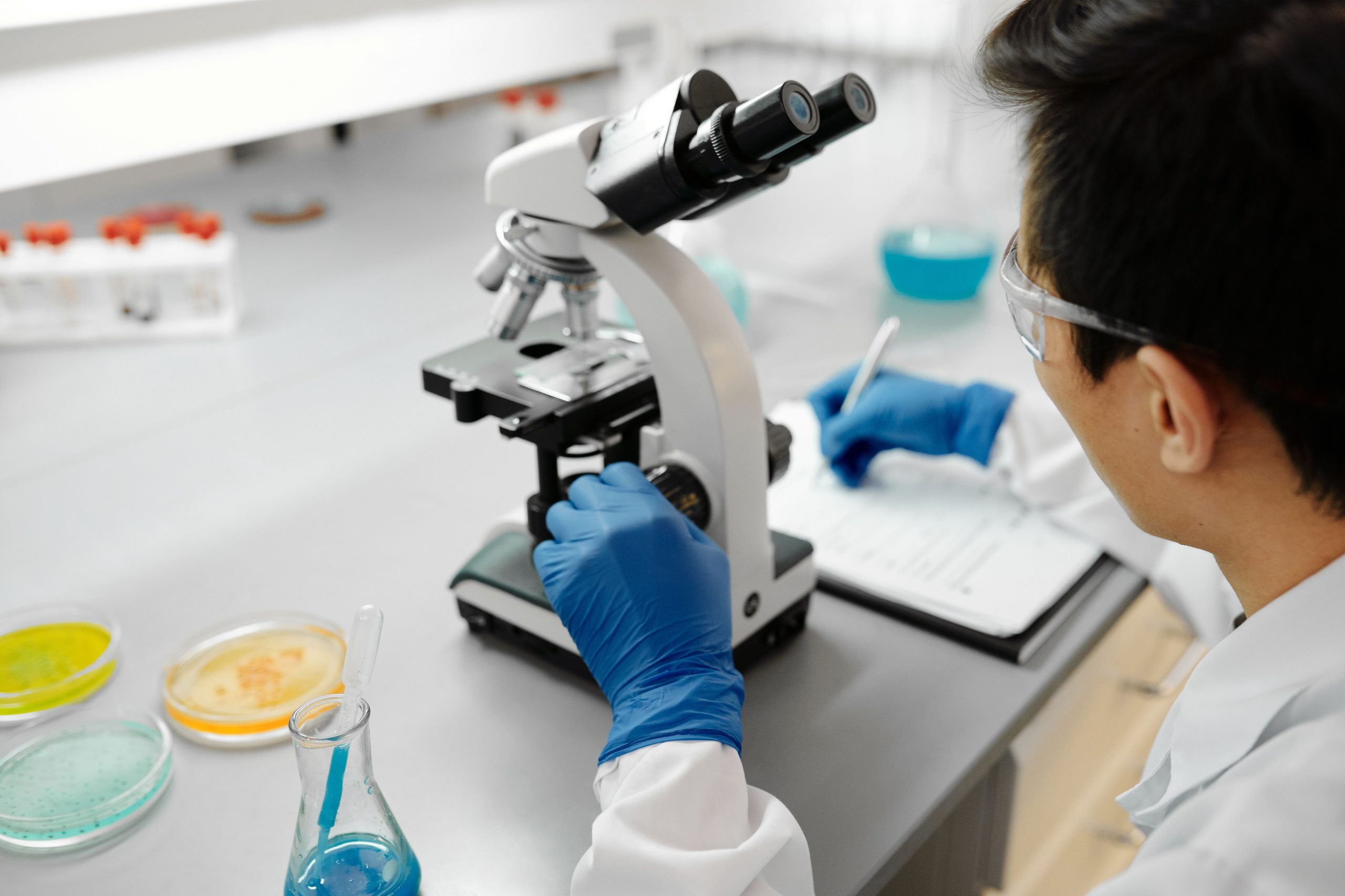
What is an oral lichen planus flareup?
Unsurprisingly, my journey with erosive OLP was as unpleasant as you can imagine. It hits people in different degrees, but it is uncomfortable in all its forms. I will keep this section brief, because I know you are here to learn what helped heal my oral lichen planus flareup. The preface still matters: it explains how I thought, and why I went about things the way I did.
I do not claim to be a physician. I am a biomedical engineer. That training does not replace a clinic visit, but it did help me read papers carefully, judge study design, and get informal feedback from clinicians and researchers I work with. For the medical overview of the condition itself, start with what oral lichen planus is and OLP symptoms. This post is the lived-experience layer of one flare.
What I think drives an oral lichen planus flareup
Let’s cut to the chase. In my framing, OLP is not a random mouth problem sitting in isolation. It showed up for me as a downstream effect of chronic inflammation. Acute inflammation is the body’s alarm: white blood cells move in after injury, infection, or other stress. That response is useful. Chronic inflammation is different. It is long-term, low-grade immune activation that can damage healthy tissue over time, including the lining of the mouth.
That is a working model I used, not a claim that every oral lichen planus flareup has one cause. Causes differ. You still have to look at your own habits, mouth care, medications, dental materials, and medical history with a clinician. Common contributors people discuss—and that I reviewed in my own life—include:
- Chronic stress (see also oral lichen planus and stress)
- A pro-inflammatory diet and OLP food triggers
- Lack of sleep
- Physical inactivity
- Smoking and vaping
- Excess weight
- Alcohol and drug abuse
- Toxin exposure
- Chronic infections
- Autoimmune dysfunction
- Persistent foreign bodies
- Increased intestinal permeability (“leaky gut”)
How I looked for the cause of my flare
For me, the mix was a suspected leaky gut, lack of physical activity, and chronic stress. Of the three, leaky gut was the hardest to work on, so most of this post is about that. Movement and stress were simpler, and also harder, because they were mostly mental.
When the flare started, I had been working from home for nearly five years and living a sedentary life. I always had an excuse for skipping a workout. In reality I had more time than when I commuted. I had to stop making excuses and get moving. Sorting my sleep so I could train first thing in the morning helped. There was no clever hack. It took showing up.
Stress is not optional in modern life. Two beliefs helped me anyway: look for a silver lining in the situation that is stressing you, and repeat a simple line through the worst stretches—”this too shall pass.” That is coping, not a treatment. If stress is a major driver of your oral lichen planus flareup, a clinician, therapist, or sleep work may belong in the plan alongside mouth care. Standard OLP treatments and how OLP is diagnosed are still the medical baseline.
My self-diagnosis journey
I had long suspected leaky gut because of bloating, brain fog, irregular bowel movements, and incomplete evacuation. I have not been officially diagnosed with it. That is not for lack of trying. In my case, doctors were hesitant to run the tests I wanted based on that suspicion. They steered me toward fiber and sleep apnea workups instead.
The oral lichen planus flareup was the wake-up call. I stopped waiting for a perfect gut label and started looking at what I could change while still pursuing an OLP diagnosis. That choice is personal. It is not a recommendation to skip medical testing.
What is leaky gut—and why I focused there
Leaky gut, or increased intestinal permeability, is a way of describing damage to the small-intestine lining that normally helps digest food and absorb nutrients. Think of that lining as a pipe meant to take in nutrients and pass waste along. If the pipe springs leaks, bacteria, toxins, and undigested food particles can get into the bloodstream. The immune system notices what should not be there and stays switched on.
Leave that state in place long enough and you can get prolonged inflammation—the same process I was trying to calm in my mouth. This is a hypothesis I used for my own body. It is not proof that leaky gut “causes” every oral lichen planus flareup.
What helped heal my oral lichen planus flareup: a 3-step experiment
I stuck with the pipe analogy because that is how I designed the experiment:
- Fix the pipe (support the gut lining)
- Clean up the mess from the leak (a personal detox step I treat as unproven)
- Improve the plumbing after repair (rebuild diet and the microbiome)
I did not want to chase mouth symptoms alone. I wanted to change the background inflammation I thought was feeding them.
Step 1: How I worked on the gut lining
Do your own reading with a clinician. The tool I used most for the lining itself was L-glutamine, an amino acid that intestinal cells use as fuel. When the lining is stressed, glutamine is one of the building blocks the body uses to repair it. There is published research on glutamine and the intestinal barrier, including this review. That is evidence about the gut lining, not a proven OLP drug.
The best sources are whole foods: bone broth, grass-fed beef, chicken, wild-caught fish, eggs, and spinach. I also supplemented. I am not sponsored, but I used NOW Foods L-Glutamine because it was inexpensive among reputable brands, had a short ingredient list, and was highly rated. I followed the label. That is not a dose recommendation for you.
I also wanted something for existing inflammation. I used a turmeric and curcumin supplement with black pepper, again unsponsored, chosen the same way. Curcumin is the main studied compound in turmeric. It is poorly absorbed on its own; piperine in black pepper is often added to help, as discussed in this paper. Again: inflammation research is not the same as an OLP trial.
Step 2: A personal parasite cleanse I do not call treatment
This section is lived experience only. There is no clinical study I can point to that says this step treats oral lichen planus. I am sharing it because it was part of my timeline, not because I think you should copy it.
I believed toxins had been leaking into my bloodstream for a long time, and I wanted to reduce whatever was keeping my immune system on a hair trigger. The body clears many ordinary wastes on its own. I became focused on parasites, which can be found in food, water, and soil. The right medical path is a proper stool test and targeted treatment if something is found. I tried to book that and the earliest appointment I could get was more than eight months out. I did not wait.
I used an alternative-medicine combination of black walnut, wormwood, clove, and garlic, in a packaged supplement, for about a month. These herbs are not harmless. They can be toxic at the wrong dose, interact with medicines such as blood thinners, and should be avoided by children, people who are pregnant or breastfeeding, and anyone with kidney disease, liver disease, or a seizure disorder unless a clinician says otherwise. Do not take this as a recommendation.
Step 3: How I rebuilt food after the flare eased
I ran the cleanse for about a month. I still use the lining-support step. After the cleanse I wanted more diverse plant foods so the gut microbiome—the bacteria that live along the intestinal wall—could recover. A diverse community of microbes is one of the things that helps keep the barrier sealed and the immune system from staying in constant alarm. A newly calmed gut is still easy to irritate.
The safest way I found was colorful whole foods. About two months in, my mouth lesions had nearly healed, but I still did not want to scrape or burn the mucosa. I bought a juicer and, after testing a few, settled on this one mainly because it was easy to clean. I aimed for 20–30 different plant colors over a month. I am not a picky eater, so I blended what I could get: oranges, pineapple, blueberries, strawberries, beets, spinach, and so on. I avoided very acidic items such as tomatoes, which can sting an oral lichen planus flareup. For a more cautious food-testing method, I later wrote how I test OLP food triggers.
What were the results?
This was slow, not miraculous. More time went into reading than into the protocol. It is not over. At the time of writing I still have a biopsy site that has not healed cleanly—the biopsy that confirmed the OLP diagnosis.
Once I implemented the three steps above, I went from being unable to eat solids without excruciating pain to being largely pain-free with most well-cooked, soft foods in a little less than three months. That was a huge win in the middle of an oral lichen planus flareup that had felt endless. Last night’s dinner was lasagna with spicy ground beef. A few months earlier that would have been unthinkable.
What I would tell someone in an oral lichen planus flareup
If chronic inflammation is in the background, the drivers will not be identical from person to person. What helped me may not help you. Finding and reducing your drivers—with a clinician, not instead of one—is still the job. For day-to-day living after diagnosis, I also wrote what I wish I knew when I was diagnosed.
Use this as a map of one patient’s thinking. Check mouth changes with someone who diagnoses and treats OLP. Keep the experiments that have evidence closer to the center, and the ones that do not—like my parasite cleanse—in the “personal experiment” column.
Last updated: September 3, 2026. Personal journey of the founder living with OLP.